Building a Clear Path from Your Vision to Construction
Every successful construction project begins with careful planning.
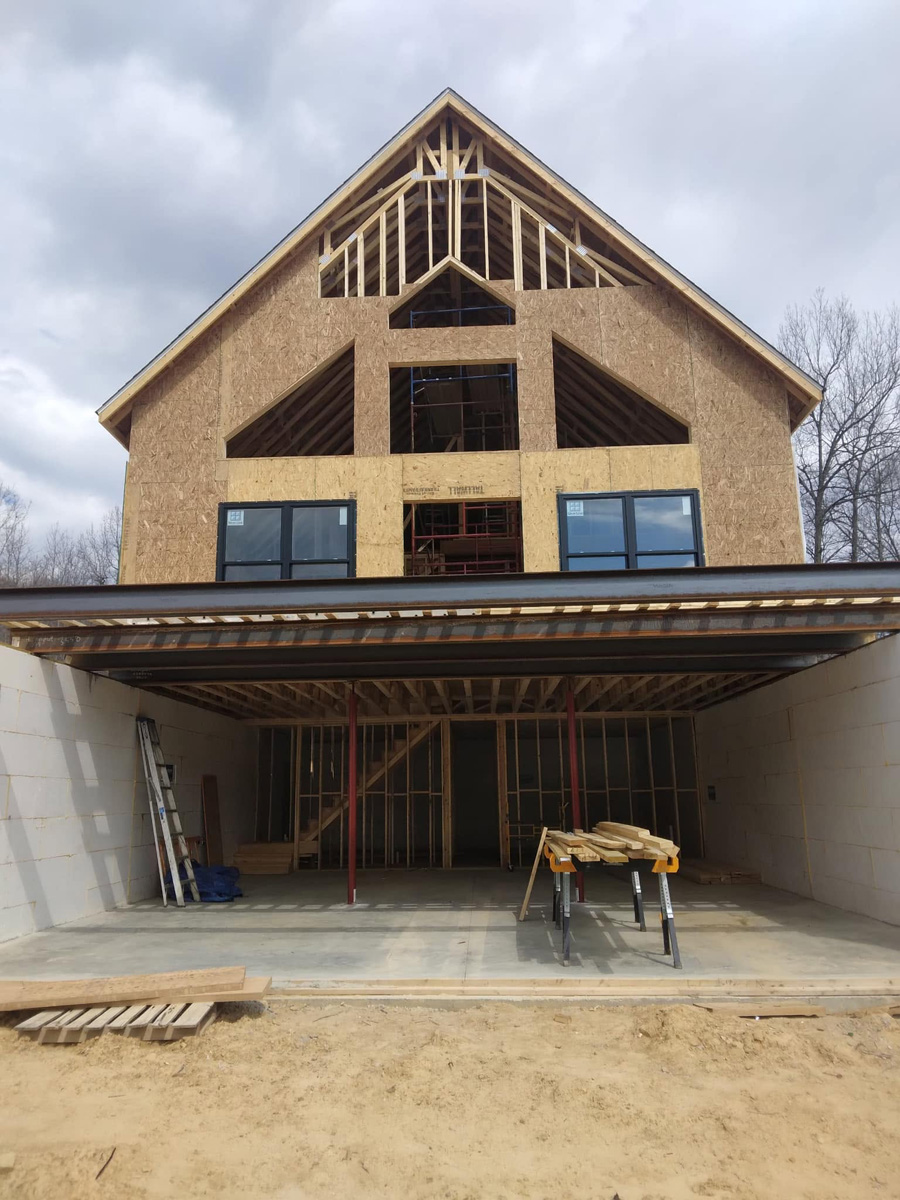
Lovejoy Development, LLC provides preconstruction planning and coordination for custom homes, multi-family properties, and residential developments throughout Huntington, West Virginia, and the surrounding Tri-State area.
Before construction begins, our team takes the time to understand the property, available plans, construction requirements, project goals, and major steps needed to move the build forward.
Whether you are planning one custom home or a larger residential development, thoughtful preparation can help create a more organized and efficient construction process.
Planning Before Building
Preconstruction is the stage where the major details of the project begin to come together.
This phase may include reviewing:
- The property location
- Available construction plans
- The type and size of the project
- Building-site access
- Terrain and grading needs
- Utility availability
- Foundation requirements
- Materials and finishes
- Construction phases
- Project responsibilities
- Anticipated scheduling
- Specialized trades and subcontractors
Addressing these details early helps reduce uncertainty and creates a clearer direction before crews and equipment arrive at the property.
Understanding Your Goals
Every customer begins with a different vision.
A homeowner may be preparing to build a custom home on family land. An investor may be planning a duplex or rental property. A developer may be considering townhomes, apartments, condominiums, or several homes across a larger property.
We begin by learning:
- What you want to build
- How the property will be used
- Whether you already own the land
- Whether construction plans are available
- The number of homes or units being considered
- Your preferred features and finishes
- Your anticipated construction timeline
- Your long-term goals for the property
Understanding the complete vision allows us to plan around the needs of the finished project.
Property and Site Review
The land can affect nearly every stage of construction.
Important considerations may include:
- Building placement
- Property access
- Clearing
- Excavation
- Grading
- Drainage
- Driveway or road access
- Water and sewer availability
- Septic requirements
- Electrical service
- Foundation type
- Parking
- Space for future development
A city lot, rural acreage, hillside property, and multi-building development site may each require a different construction approach.
Reviewing Construction Plans
Some customers already have detailed construction plans. Others may still be working with an architect, engineer, residential designer, or other project professional.
Lovejoy Development can review the available plans from a construction perspective and coordinate our work with the approved documents.
When required, we work alongside the architects, engineers, surveyors, utility providers, inspectors, and other professionals involved in the project.
Lovejoy Development does not provide architectural, engineering, or surveying services unless those services are specifically included in the project agreement.
Organizing the Construction Scope
The construction scope identifies the work required to complete the project.
Depending on the build, this may include:
- Site preparation
- Excavation and grading
- Foundation construction
- Structural framing
- Roofing and exterior completion
- Plumbing, electrical, and HVAC coordination
- Insulation and drywall
- Kitchens and bathrooms
- Flooring, cabinetry, and countertops
- Interior doors, trim, and paint
- Final finishes and completion
Organizing these stages before construction begins helps establish who is responsible for each part of the project and how the work will progress.
Planning the Construction Schedule
Construction schedules can be affected by the property, plans, permits, inspections, material availability, subcontractor schedules, weather, and the overall size of the project.
During preconstruction, we help organize the major building phases and establish a practical sequence for the work.
While construction schedules may change as a project develops, early planning helps everyone understand the expected order of construction and the decisions that may be needed along the way.
Why Preconstruction Matters
Careful preconstruction planning helps provide:
- A clearer understanding of the project
- Better coordination between construction phases
- Earlier identification of property challenges
- More organized scheduling
- Improved communication
- Better preparation for materials and subcontractors
- A clearer path toward beginning construction
The more that is understood before construction begins, the better prepared the project team can be.
More Than a Home Builder
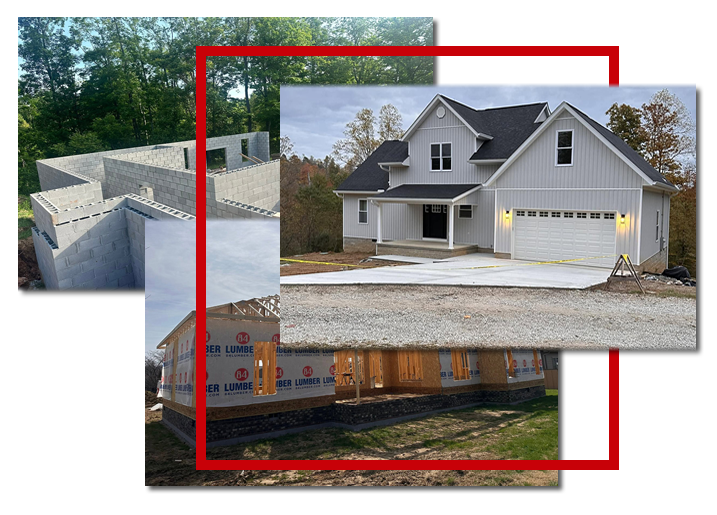
Lovejoy Development provides complete ground-up construction for homeowners, landowners, investors, and residential developers.
We do not simply complete one phase of the project. We help coordinate the entire build—from the earliest site and construction planning through the final walkthrough.
Our projects may include custom homes, build-on-your-land construction, duplexes, townhomes, apartments, condominiums, and larger residential developments throughout Huntington, Cabell County, Teays Valley, Hurricane, Southern Ohio, Eastern Kentucky, and surrounding Tri-State communities.